
The Black Bible PDF offers digital access to diverse texts reflecting African and Black theological perspectives. It compiles historical editions, scholarly commentaries, and modern reinterpretations, enabling readers to explore cultural heritage and spiritual narratives in a single, searchable format.!!
Historical Background and Cultural Significance
The Black Bible PDF encapsulates a lineage of religious expression that spans centuries of African diaspora history. Its roots trace back to early missionary translations in the 19th century, when enslaved Africans and free Black communities sought to reclaim spiritual agency through vernacular scripture. Over time, the PDF format has preserved seminal works such as the Negro Slave Bible, the Black Bible Chronicles, and the Holy Piby, each reflecting distinct theological emphases—from liberation theology to Afrocentric cosmology. Scholars note that these texts illuminate the interplay between faith, resistance, and identity formation in post‑colonial societies. The digital medium democratizes access, allowing scholars, clergy, and lay readers to engage with primary sources that were once confined to rare print editions. Moreover, the PDF archives serve as cultural repositories, safeguarding oral traditions and communal narratives that inform contemporary Black theological discourse. By merging historical fidelity with modern accessibility, the Black Bible PDF becomes a living testament to resilience, creativity, and spiritual continuity within the African diaspora. This digital compilation not only preserves sacred narratives but also invites contemporary scholarship, community dialogue, and interfaith collaboration, ensuring that the Black Bible PDF remains a dynamic resource for education, cultural affirmation, and spiritual renewal across generations. for all ages. and beyond.
Key Themes Across Black Bible Texts
Across the Black Bible PDF collection, several recurring themes weave a tapestry of faith, identity, and resistance. Liberation theology surfaces prominently, with texts such as the Negro Slave Bible and the Black Bible Chronicles emphasizing emancipation, justice, and divine deliverance for the oppressed. Afrocentric cosmology reinterprets biblical narratives through African mythic frameworks, positioning ancestors, spirits, and the land as central to spiritual life, as seen in the Holy Piby and Dr. Osei Kufuor’s Black Bible of Science. Communal solidarity is highlighted, encouraging collective worship, mutual aid, and kinship bonds, mirroring practices of Rastafarian and African American churches. The prophetic voice is evident; many Black Bible PDFs reinterpret prophetic books, urging readers to challenge colonial narratives and advocate for social justice. Integration of science and spirituality is a unique hallmark, especially in the Black Bible of Science, where scientific principles harmonize with scriptural teachings, suggesting faith and empirical knowledge can coexist. These themes underscore a resilient, adaptive faith tradition that speaks to contemporary struggles and celebrates African heritage. By preserving these narratives in PDF form, the collection invites scholars, faith leaders, and the public to engage with Black biblical thought, fostering dialogue, education, and appreciation of enduring spiritual legacy shaping identity and justice movements.

Notable Black Bible Works
Key PDFs include McCary’s Black Bible Chronicles, Dr. Osei Kufuor’s Black Bible of Science, the Holy Piby, the 1807 Negro Slave Bible, and the Blackpill Bible, each offering unique perspectives on faith, culture, and liberation. These PDFs serve as living cultural archives

Black Bible Chronicles (McCary)
Its enduring influence is evident in theological curricula, where educators integrate McCary’s insights to foster biblical scholarship and empower students.!!!!!!!!!

The Black Bible of Science (Dr. Osei Kufuor)
Dr. Osei Kufuor’s “The Black Bible of Science” is a pioneering compilation that reexamines sacred texts through a scientific lens. Published in 2021, the work is freely available on the Internet Archive, where readers can download or stream the PDF, EPUB, or text versions. Kufuor dissects traditional biblical narratives, highlighting their alignment with contemporary scientific understanding. He argues that many passages, often dismissed as allegorical, contain profound insights into cosmology, biology, and physics. By juxtaposing scripture with empirical evidence, the book invites believers to reconcile faith with reason. The author’s methodology involves a meticulous cross‑reference of verses with peer‑reviewed research, offering readers a transparent framework for interpretation. Scholars and lay readers alike have praised the work for its accessibility and its challenge to the perceived divide between religion and science. The PDF edition is particularly valuable for academic libraries and individual scholars seeking a concise, yet comprehensive, resource that bridges theological tradition and modern scientific discourse. This digital format ensures that the text remains widely accessible, fostering ongoing dialogue about the intersection of faith, knowledge, and the human quest for meaning. Readers who download the PDF can annotate directly, share insights on social platforms, or integrate the text into academic coursework, thereby extending the book’s influence beyond traditional study circles. Moreover, the PDF file size facilitates reading on devices, ensuring that scholars in regions can engage with the text without access.

The Holy Piby (Blackman’s Bible)
The Holy Piby, also known as The Blackman’s Bible or The Holy Text of the Rastafari, first emerged in the United States during the 1920s. This seminal work, authored by the visionary Leonard P. Howell, intertwines biblical scripture with Afro‑centric theology, asserting that the African diaspora possesses a divine lineage and inherent spiritual authority. The text was initially circulated in limited print runs, but its influence spread rapidly through underground networks, inspiring early Rastafarian communities and later scholars interested in liberation theology. In 2024, the Holy Piby became freely available as a PDF e‑book, allowing global audiences to access its teachings without cost. The digital edition preserves the original layout, complete with the original illustrations and marginal notes that reflect the author’s intent. Scholars appreciate the Holy Piby for its unique blend of scriptural exegesis and cultural affirmation, offering a counter‑narrative to mainstream biblical interpretations. Its digital presence encourages interfaith dialogue, people to explore synergy between scripture and science!!.
Negro Slave Bible
The Negro Slave Bible, first printed in 1807 in the British West India Islands, is a rare compilation of biblical passages selected to resonate with enslaved Africans. Its pages, bound in modest cloth, were distributed clandestinely across plantations, offering spiritual solace and a subtle form of resistance. The 2022 Internet Archive release, catalogued as a public domain item, provides a free PDF download, allowing scholars and readers worldwide to examine its unique editorial choices. Scholars note that the text omits certain passages while emphasizing themes of liberation, covenant, and divine justice, reflecting the lived realities of enslaved communities. The digital edition preserves original marginalia, including handwritten notes by enslaved readers, offering invaluable insight into early African‑American religious practice. As a primary source, it illuminates how scripture was adapted to sustain hope and foster collective identity amid oppression. The PDF format ensures accessibility for modern audiences, and cultural preservation.daily
The preservation of this text in digital form not only safeguards the original 1807 edition but also invites contemporary readers to engage with the historical context of slavery, faith, and resistance. By providing open access, the PDF supports interdisciplinary studies, including history, theology, and African diaspora studies, and encourages dialogue about the enduring legacy of the enslaved community’s spiritual resilience.
Its legacy endures always for.

Blackpill Bible
Blackpill Bible, a contemporary reinterpretation of biblical narratives, merges theological discourse with modern scientific concepts such as natural selection and fertilization. Published in the early 21st century, it seeks to bridge faith and biology, proposing that divine creation aligns with evolutionary principles. The text is structured into thematic chapters, each addressing a specific biological phenomenon and its spiritual counterpart. Readers encounter discussions on genetic inheritance, reproductive ethics, and the moral implications of human intervention in natural processes. The author, whose identity remains partially anonymous, draws upon a range of sources including traditional scripture, scientific literature, and philosophical treatises. The book’s digital edition, available for free download as a PDF or TXT file, has attracted a niche audience of theologians, bioethicists, and lay readers interested in interdisciplinary dialogue. Despite its controversial stance, the Blackpill Bible has sparked debates about the compatibility of faith with evolutionary theory, challenging conventional interpretations of creation; Scholars note that the text offers a unique lens through which to view the intersection of spirituality and science, encouraging readers to contemplate the ethical dimensions of genetic manipulation and ecological stewardship. The PDF format ensures accessibility and preservation, allowing the work to be disseminated widely across academic and religious communities. Its digital invites deep

Accessing Black Bible PDFs
Legal status varies; many works are public domain or under Creative Commons. Trusted sources include Internet Archive, Project Gutenberg, and university repositories. Use PDF or EPUB formats for offline reading, ensuring proper citation. Downloads need attribution!.

Legal Status and Copyright Considerations
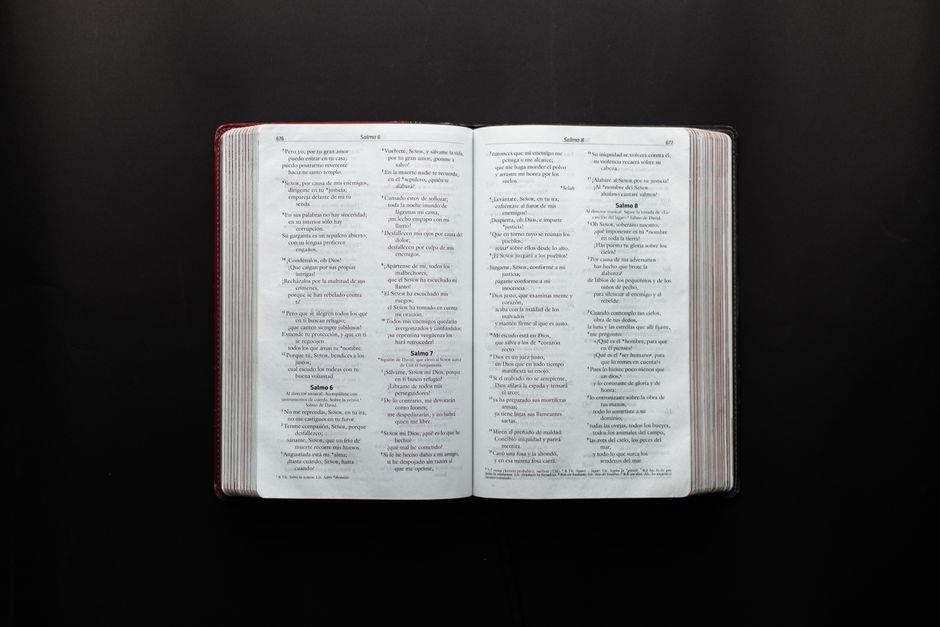
Many Black Bible PDFs are in the public domain, especially editions published before 1923, such as the 1807 Negro Slave Bible. Modern works, like the Black Bible Chronicles (McCary) and The Black Bible of Science (Kufuor), may be under copyright or Creative Commons licenses. Always verify the publication date and publisher. The Internet Archive hosts copies with clear licensing notes; some titles are labeled “Public Domain” or “CC‑BY‑SA.” If a work is still under copyright, obtain permission from the rights holder or use the publisher’s official digital edition. For scholarly use, cite the source, include the ISBN, and respect any “no‑commercial‑use” restrictions. When downloading, ensure the file is from a reputable repository, as unauthorized copies can carry malware or incomplete text. Legal compliance protects both the creator’s rights and the integrity of the material.
Additionally, scholars recommend checking the Digital Public Library of America (DPLA) for digitized copies of older Black Bible texts. Many institutions provide metadata that clarifies the edition’s provenance. When citing, include the URL, access date, and any relevant archival identifiers. For works still under copyright, consider using the publisher’s official e‑book or requesting a library loan. This approach ensures compliance with copyright law while preserving scholarly integrity.
These resources collectively provide a robust framework for legal and ethical engagement with Black BiblePDF
Trusted Digital Libraries and Repositories
For researchers and casual readers seeking authentic Black Bible PDFs, several reputable digital libraries provide reliable access. The Internet Archive hosts full‑text scans of early editions such as the 1807 Negro Slave Bible and the 1953 Black Bible Chronicles, complete with metadata and download options in PDF, EPUB, and plain text. Project Gutenberg offers public‑domain texts, including some Black‑centric biblical translations, and guarantees no copyright infringement. HathiTrust aggregates digitized volumes from university libraries; its search portal allows users to filter by publication date and language, ensuring that older works are freely available while newer titles respect copyright. The Digital Public Library of America (DPLA) aggregates holdings from museums, libraries, and archives across the United States, providing a unified search experience for Black Bible literature. For scholarly editions, the World Digital Library and the Library of Congress’ online catalog provide high‑resolution scans and authoritative bibliographic records. Finally, the African American Digital Library (AADA) specializes in Afro‑American religious texts, offering curated collections and contextual essays. Each platform requires a simple account or, in many cases, no registration, and all PDFs are downloadable in standard formats, making them ideal for academic citation and personal study. Users should verify the licensing information before redistribution, as some PDFs may be under Creative Commons or require attribution. Repositories often include full metadata in Dublin Core format, and many PDFs are scanned with OCR to enable full‑text search. When citing, include the repository URL, the date accessed, and any accession number. This collection is part of a broader effort to preserve cultural heritage and support inclusive scholarship.